
Understanding Durability Challenges in Nigerian Buildings
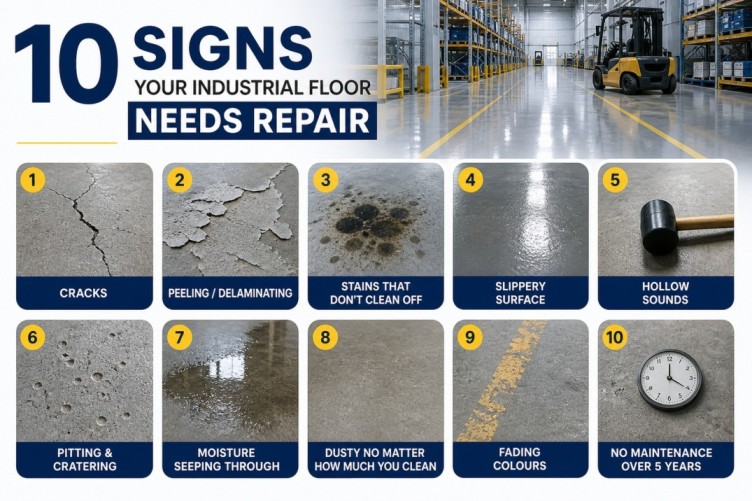
Many buildings across Nigeria begin to show signs of deterioration much earlier than expected. Cracks appear on walls, finishes start peeling, damp patches develop, and frequent repairs become necessary. In most cases, these problems are not caused by poor workmanship alone. They are often the result of hidden environmental and structural factors affecting long-term performance under local site conditions.
Durability is not only about choosing strong materials. It depends on how structural components respond to moisture, heat, soil conditions, and long-term exposure. When these factors are ignored during design or construction, even well-built structures can deteriorate prematurely and require constant maintenance.
Why Durability Is a Major Concern in Nigerian Construction
Durability issues in Nigerian buildings are largely influenced by environmental exposure. Structures must withstand high humidity, intense rainfall, and temperature fluctuations throughout the year. These conditions place continuous stress on concrete, steel reinforcement, plaster, masonry, and finishes.
Even when quality building materials in Nigeria are selected, their performance can decline if environmental protection systems are not properly integrated during construction. Without adequate moisture control and structural protection, buildings experience faster-than-expected degradation.
What Actually Breaks Down Structures Over Time?
Several Construction chemicals in Nigeria contribute to structural deterioration, often working together rather than occurring independently.
Carbonation occurs when carbon dioxide penetrates concrete and reacts with cement compounds. This reduces the natural protective layer around steel reinforcement, increasing the risk of corrosion.
Sulphate attack happens when sulphates present in soil or groundwater react with cement paste, causing internal expansion, cracking, and surface damage.
In coastal areas such as Lagos and Lekki, chloride ion penetration is a significant concern. Chlorides carried by humid air or groundwater accelerate corrosion of reinforcement and metal components. These processes gradually weaken structures from within, often without obvious early warning signs.
How Climate Stress Impacts Structural Performance
Nigeria’s climate creates a combination of heat, moisture, and heavy rainfall that directly affects building behavior.
High temperatures cause expansion and contraction cycles, leading to micro-cracking over time. Prolonged humidity increases moisture absorption in porous materials such as concrete, plaster, and masonry.
Repeated exposure to rainfall further increases the risk of water ingress, especially where drainage systems and waterproofing measures are insufficient. Over time, these stresses reduce structural integrity and accelerate surface deterioration.
Common Material Selection Mistakes That Reduce Durability
Many durability problems originate during the material selection stage. Decisions are often driven by initial cost rather than long-term exposure performance.
Common mistakes include:
- Using non–moisture-resistant materials in wet or humid areas
- Ignoring protective systems for foundations and ground-contact slabs
- Applying interior-grade finishes on external walls
- Selecting coatings without considering long-term environmental exposure
When exposure conditions are underestimated, structural components become vulnerable to moisture penetration and chemical attack.
Traditional Practices vs Modern Protection Systems
| Traditional Practice | Modern Protection Approach |
|---|---|
| Bare concrete slabs | Integral waterproofing systems |
| Cement plaster only | Moisture-resistant wall systems |
| Repeated repainting | Surface protection coatings |
| Patch repairs | Targeted repair and sealing systems |
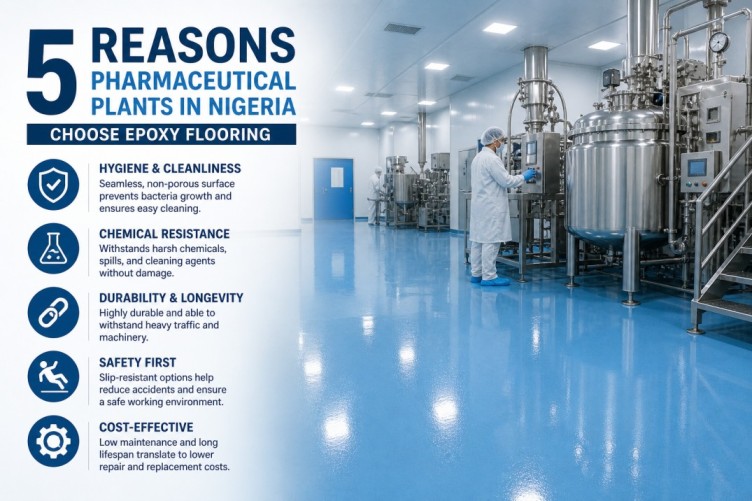
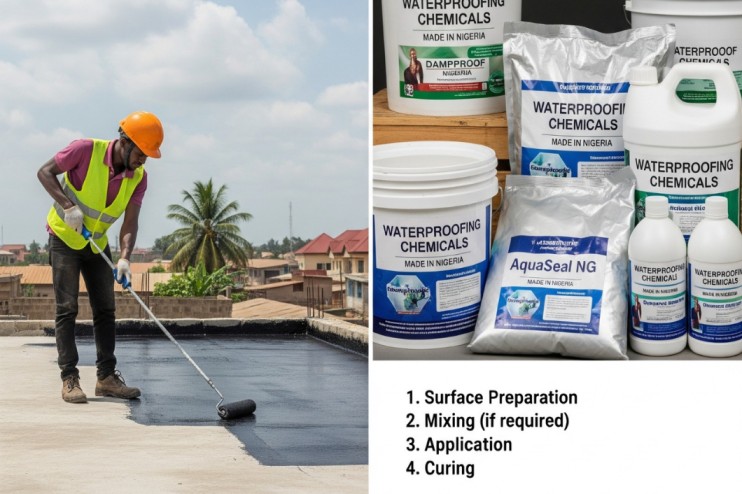
Modern construction chemicals improve durability by reducing permeability, enhancing bonding strength, and protecting structural components against moisture and chemical exposure. When used correctly, they enhance material performance rather than replace structural elements.
Why Moisture Control Is Critical in Coastal Areas Like Lagos
In high-humidity regions such as Lagos, moisture exposure is constant. Chloride-rich air and groundwater significantly accelerate corrosion of steel reinforcement and metal fixtures.
Without proper moisture management systems in slabs, foundations, basements, and external walls, buildings in coastal regions deteriorate much faster than those in inland environments. Long-term exposure without protection leads to cracking, spalling, and reduced load-bearing capacity.
How Ashveda Industries Limited Supports Durable Construction
Ashveda Industries Limited focuses on improving long-term structural performance rather than offering short-term repair solutions. By assessing environmental exposure conditions and recommending appropriate protective systems, early deterioration caused by moisture, carbonation, sulphate attack, and chloride penetration can be significantly reduced.
The emphasis is always on prevention—ensuring that durability is built into the structure from the beginning.
Conclusion
Durability issues in Nigerian buildings rarely stem from a single cause. They develop due to a combination of climate stress, moisture exposure, chemical reactions, and unsuitable material choices.
Understanding how structures behave under Nigeria’s environmental conditions is essential for improving service life, reducing maintenance costs, and preserving structural integrity. Planning for durability at the design and construction stage is always more effective than responding to damage after it occurs.