

The Ultimate Guide to Choosing the Right Tile Adhesive in Nigeria: Avoid These 5 Costly Mistakes
For decades, the standard practice in Nigerian construction was to bond tiles using a simple mixture of sand and cement. However, as modern architecture evolves and tiles become larger and heavier, this “old school” method is failing.
If you’ve ever witnessed tiles buckling, de-bonding from the floor, or sounding hollow when you walk on them, you are looking at the result of poor bonding. Choosing the right Tile Adhesive in Nigeria is no longer just an option—it is a necessity for a durable, luxury finish.
Common Tile Adhesive Mistakes Made in Nigerian Construction
Using Sand and Cement Instead of Proper Adhesive
The biggest mistake is thinking sand and cement is “cheaper.” In reality, sand and cement lack the polymer additives needed to grip modern vitrified or porcelain tiles. Over time, the bond weakens, tiles lift, and you end up paying twice for repairs.
High-quality adhesives are engineered specifically to provide the flexibility and grip that cement alone cannot offer, ensuring long-lasting tile installation.
Ignoring the Tile Type (Ceramic vs. Porcelain)
Not all tiles are created equal. Porcelain tiles have very low water absorption, meaning they will not bond properly with basic adhesives.
- For Ceramic Tiles: A standard-grade adhesive works effectively
- For Porcelain or Marble Tiles: A high-performance, polymer-modified adhesive is required for a permanent bond
Using the correct product, such as those available from Ashveda’s tile adhesive range, ensures strong and reliable adhesion.
Choosing the Wrong Adhesive for the Location
A bathroom floor in Lekki deals with far more moisture than a bedroom wall in Ikeja. Using a non-water-resistant adhesive in wet areas is a recipe for disaster.
Always confirm whether your adhesive is rated for wet areas, outdoor use, or submerged environments like swimming pools to prevent future tile failure.
Applying Adhesive on a Poorly Prepared Surface
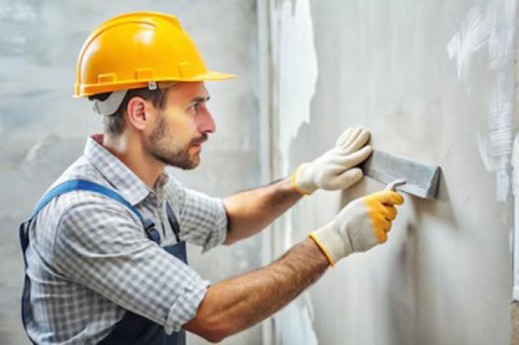
Even the best tile adhesive in Nigeria will fail if applied to a dusty, oily, or uneven surface. Proper surface preparation is essential for long-term performance.
As experts in Construction Chemicals in Lagos, Ashveda recommends ensuring the substrate is clean, stable, and properly primed before installation.
The Risks of Spot Bonding
Many installers attempt to save material by applying adhesive only to the corners of tiles, a technique known as spot bonding. This creates hollow spaces beneath the tile surface.
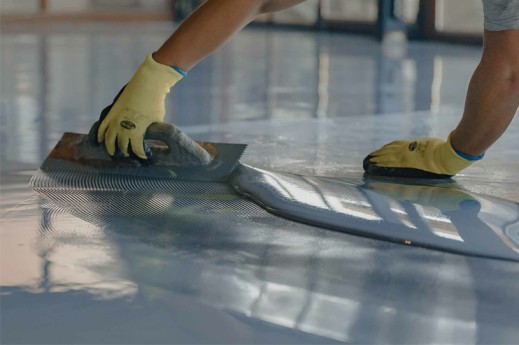
When subjected to heavy loads or impact, tiles installed this way are highly likely to crack or loosen. Always ensure full-bed adhesive coverage using a notched trowel for a strong and durable finish.
The Hidden Cost of Cheap Tiling
Many developers focus only on the “price per bag” of adhesive, but the real cost of tiling is measured in durability and longevity.
- Paint and Plaster Damage: De-bonded tiles allow moisture to seep into walls, damaging interior finishes
- Higher Labor Costs: Re-tiling a space costs up to three times more due to demolition, debris removal, and new materials
- Safety Risks: Loose or buckling tiles in commercial spaces create serious trip hazards
By investing in premium tile adhesive in Nigeria, you effectively protect your property from these avoidable future expenses.
The Ashveda Advantage
As a leader in construction chemistry with over 12 years of experience in Nigeria, Ashveda Industries Limited provides specialized bonding solutions tailored to the Nigerian climate.
Our adhesives are designed to withstand high humidity, heavy foot traffic, and demanding site conditions, ensuring that your tiled floors remain flawless for many years.
Conclusion
Choosing the right material is the difference between a floor that lasts a lifetime and one that requires constant repair. By avoiding these common installation mistakes and using professional-grade tile adhesive in Nigeria, you guarantee a beautiful, safe, and durable home or office space.
Trusted providers like Ashveda Industries Limited offer the expertise and high-performance products needed to achieve reliable, long-term tiling results across Nigeria.