


Epoxy Flooring in Nigeria vs PU Flooring: Choosing the Right System for Industrial Projects
Why Industrial Flooring Choice Matters in Nigeria
Industrial flooring is not a one-size-fits-all decision. In Nigeria, factories, warehouses, processing units, and commercial facilities operate under demanding conditions—heavy loads, chemical exposure, temperature variation, and constant movement. Choosing the wrong flooring system can lead to early failure, safety risks, and repeated maintenance.
This is where understanding the difference between Epoxy Flooring and PU flooring becomes important. Both systems are widely used in industrial environments, but they serve different purposes depending on how and where they are applied.
This guide explains where each system performs best, helping project owners make informed flooring decisions.
Why Industrial Flooring Choice Matters in Nigeria
Nigeria’s industrial environments present specific challenges:
- High temperatures and humidity
- Heavy machinery and forklift traffic
- Chemical spills and cleaning agents
- Continuous operational stress
Flooring systems that work well in light commercial spaces may fail quickly in industrial settings. Selecting the right flooring system from the start helps improve durability, safety, and long-term cost efficiency.
Understanding Epoxy Flooring Systems for Industrial Us
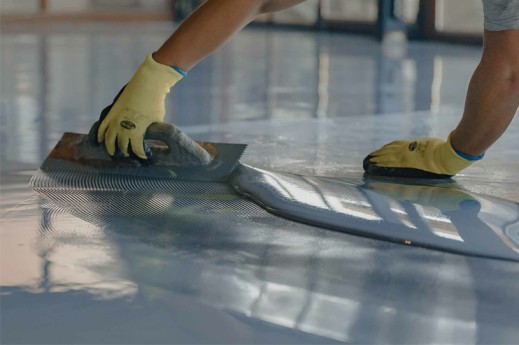
Epoxy flooring is a rigid, resin-based system applied over concrete surfaces. For a deeper understanding of system types, applications, and benefits, you can explore our detailed guide on epoxy flooring in Nigeria.
Where Epoxy Flooring Works Best
Epoxy Flooring in Nigeria is commonly used in:
- Warehouses and logistics hubs
- Manufacturing units
- Parking areas and ramps
- Workshops and service bays
These environments benefit from epoxy’s ability to handle heavy loads, abrasion, and frequent movement.
Key Characteristics of Epoxy Flooring
- High compressive strength
- Seamless, easy-to-clean surface
- Strong resistance to oils, fuels, and many chemicals
- Cost-effective for large floor areas
Epoxy flooring performs best in areas where temperature conditions remain relatively stable and flexibility is not a major requirement.
Understanding PU Flooring for Industrial Environments
PU flooring is a more flexible flooring system compared to epoxy. It is designed to handle temperature variation and thermal movement without cracking.
Where PU Flooring Performs Better
PU flooring is preferred in:
- Food processing units
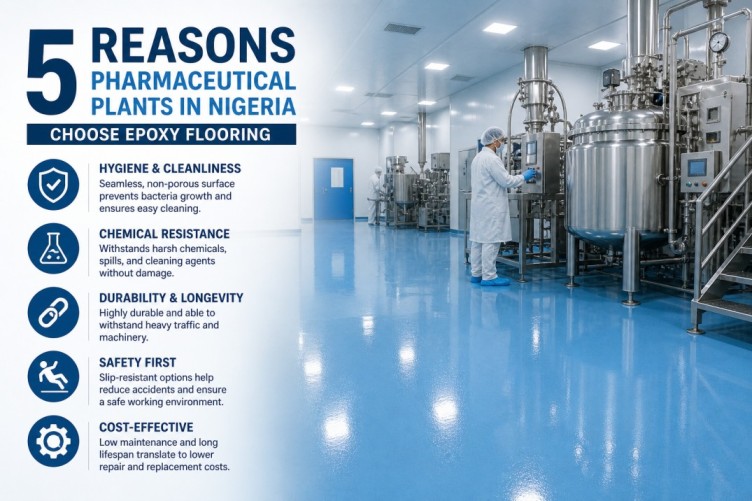
- Pharmaceutical plants
- Cold storage and temperature-controlled areas
- Commercial kitchens and clean rooms
These environments experience frequent temperature changes, washdowns, and strict hygiene requirements.
Key Characteristics of PU Flooring
- Higher flexibility than epoxy
- Better resistance to thermal shock
- Comfortable underfoot for long working hours
- Strong hygienic properties
Key Differences Between Epoxy and PU Flooring
Strength vs Flexibility
Epoxy Flooring in Nigeria offers higher surface hardness and load-bearing strength. PU flooring offers flexibility, which helps absorb movement and temperature stress.
Temperature Resistance
Epoxy performs well under stable conditions. PU flooring is better suited for environments with frequent temperature changes.
Chemical Exposure
Both systems resist chemicals, but epoxy is more commonly used in heavy industrial zones, while PU is preferred in hygienic and washdown areas.
Maintenance and Lifespan
Both systems are durable when correctly applied. The lifespan depends more on site conditions, surface preparation, and correct system selection than on the material alone.
Which Flooring System Is Right for Your Industrial Project?
The right choice depends on how the space is used, not on which product is “better.”
- Choose Epoxy Flooring if your facility handles heavy loads, machinery, or vehicle movement.
- Choose PU flooring if your environment involves temperature variation, hygiene control, or frequent cleaning.
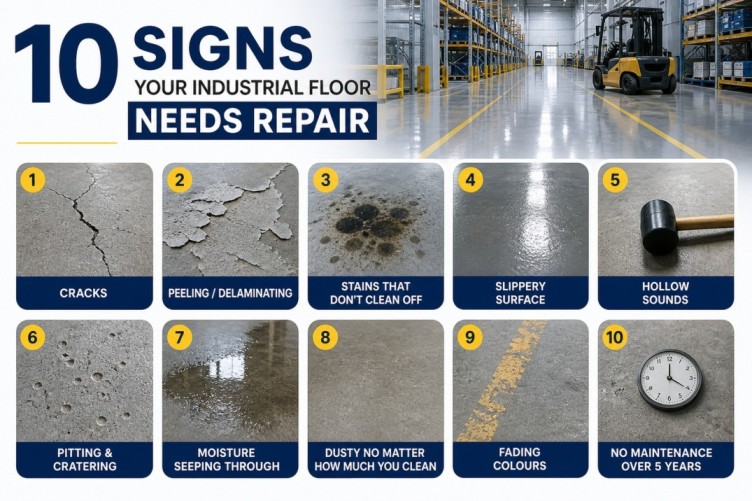
Making the right decision early helps avoid cracking, delamination, and costly repairs later.
The Importance of Correct System Selection and Application
Many flooring failures occur not because epoxy or PU is unsuitable, but because the wrong system is applied to the wrong environment. Surface preparation, substrate condition, and usage patterns all influence performance.
Industry-focused solution providers like Ashveda Industries Limited support industrial projects by assessing site conditions first and recommending industrial epoxy flooring systems based on operational needs rather than a one-product approach.
Conclusion
Choosing between epoxy and PU flooring is not about selecting the most popular option—it is about selecting the most suitable system for your industrial environment. Epoxy Flooring in Nigeria continues to be a strong choice for warehouses and heavy-duty facilities, while PU flooring serves environments requiring flexibility and temperature resistance.
By selecting the correct flooring system based on usage conditions, industrial facilities can reduce failure risks and maintenance costs.
Consult industrial flooring specialists to assess whether epoxy or PU flooring is best suited for your project environment.